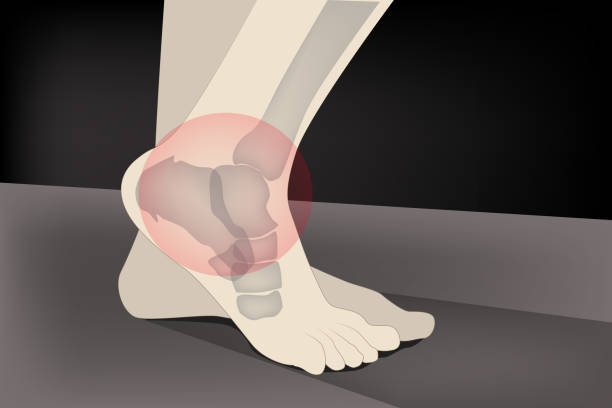
Is Heel Pain a Sign of Cancer
Plantar fasciitis is one of the most frequently occurring conditions, which can occur with anybody: from a financial or social elite to a simple worker, and it affects millions of people all around the world. In most cases heel pain thus attributed to overuse, injuries, or other health conditions is therefore not due to very specific diseases or disorders.
However, a common question that many people ask is, ‘Is heel pain a sign of cancer?’ While by far the most heel pain complaints are not due to cancer, there are some rare conditions that cause the heel to refer cancer. This article will henceforth bring into discussion the following: Is heel pain a form of cancer? What may cause heel pain? When should one see the doctor?

What Causes Heel Pain?
There may be so many reasons why one may develop heel pain, or it may also be a symptom of a complex disease like cancer, and before going any further, let us describe the probable causes of heel pain. The most frequent causes include:
Bursitis: The bursae are small sacs full of fluid, or in other words they are used for compression between tissues. This must cause inflammation of the bursae and/or increased size of the bursae leading to heel pain.
Heel Spurs: These are bony lumps that may develop on the back of the heel bone and commonly as a result of stress and repetitious actions.
Injury or Trauma: The heels may feel sore in readiness for a fall and in one or another way but the foot would have been injured or may be strained gently.
Does Heel Pain Mean One Has Cancer?
Thus, is your heel pain a sign of cancer? Although, this is very uncommon, some types of cancer like liver can cause pain in the heel area. It should be mentioned, however, that such is not always the case and such, indeed, is not the most frequent reporter of the problem that diabetic patients address to their doctors. The most notable cancers linked to heel pain include:
Bone Cancer:
Pain in bone cancer is very persistent and may be aggravated at night: warmth, redness or a tumor may also manifest itself.
Metastatic Cancer: Still more frequent causes can be linked to heel pain with metastatic cancer, which is, of course, cancer that has reached the bones starting from somewhere else in the body. For instance, breast cancer, prostate cancer, lung cancer, and renal cancer are some of the cancers that tend to shed their seeds to bones. When cancer is in the bones of the foot or the heel, it can be expected to cause localized pain.
It is understandable how it has come to be seen that normal heel pain cannot be confused with heel pain resulting from cancer, madness, and other related diseases.
We now know that most heel pain is not because of cancer, but how do you know when the pain you are experiencing might be cancerous? There are a few key differences between cancer-related heel pain and the pain caused by more common conditions:
Duration and Intensity:
Sometimes, conditions that may be labeled as heel pains, when they take weeks or even months that they worsen, more especially at nighttime, would merit concern. Cancer pain is generally persistent rather than episodic and cannot always be adequately relieved by routine methods.
Other Symptoms:
When there is an indication that the heel pain may be as a result of cancer, other symptoms will be present, including weight loss, fever, and the presence of a heel bump.
When Should You See a Doctor?
This question comes up when one will develop a feeling that his or her heel pain has signs of cancer; it is advisable to see the doctor. Here are some specific signs that warrant medical attention:
- Sometimes heel pain may occur due to other causes, and this is why self-treatment is advisable only if the pain does not fade after several weeks of rest and treatment.
- Chronic pain that continues may require the attention of a physician.
- These are symptoms of many types of cancers and cannot be dismissed if you are feeling heel pain too.
- Swelling, redness, or any lump near the heel should be treated by a doctor no matter how small it may be.
Treatment for Heel Pain
If it is not the cancer-related heel pain, then the good news is that many treatments are available. These include:
Rest and Ice: Ice also helps to reduce inflammation, and since inflammation makes the pain worse, it is important not to engage in certain activities.
Physical Therapy: Flexing and exercising the foot muscles, plantar fasciitis, Achilles tendonitis, and all other heel pain can be eliminated.
Orthotics: Special design and prescription can be put on its orthotic shoe inserts in order to reduce weight and pressure on the heel.
Medications: Ibuprofen is a drug found over the counter, and its primary functions are to help reduce pain and inflammation.
Surgery: The surgical treatment is very rare at addressing the bone challenges, including the heel spurs.

Conclusions about Is Heel Pain a Sign of Cancer
Finally, is having a heel pain generally associated with having cancer? Pain in the heel caused by cancer is however very rare and in the subsequent sections various causes for heel pain will be outlined. It then features heel spurs, plantar fasciitis, Achilles tendonitis or any other musculoskeletal issues that are more often treatable. However, if heel pain continues, gets worse, is accompanied by symptoms such as weight loss, or the formation of a nodule, one needs to go to a doctor to find out if they have heel pain as a result of cancer.
FAQs about Is Heel Pain a Sign of Cancer
Can cancer cause heel pain?
Integrated with this, there are extremely rare instances whereby heel pain can be caused by cancer. Osteonecrosis is a bone cancer, but it can develop in the feet; hence one may experience pain in a certain area, though it does not result in heel pain.
What action should I take if I think that my heel pain is too serious?
If your heel pain does not respond to such measures and shoe inserts, still persists, and becomes gradually severe in nature and characteristic, and/or is accompanied by such symptoms as weight loss or swelling, you should consult a doctor to rule out a severe cause.
